Blog
The intriguing evolution of casinos through the ages

The intriguing evolution of casinos through the ages
Origins of Gambling and Early Casinos
The history of gambling dates back thousands of years, with evidence of wagering found in ancient civilizations such as Mesopotamia and China. In these early societies, games of chance were not merely forms of entertainment but also integral to religious and cultural practices. The practice of betting on various outcomes, ranging from sporting events to chance games, laid the groundwork for what we now recognize as casinos. These ancient games used rudimentary forms of dice or other means, showcasing humanity’s inherent desire to test fate. Today, platforms like pinco betting exemplify how this desire has evolved over the ages.
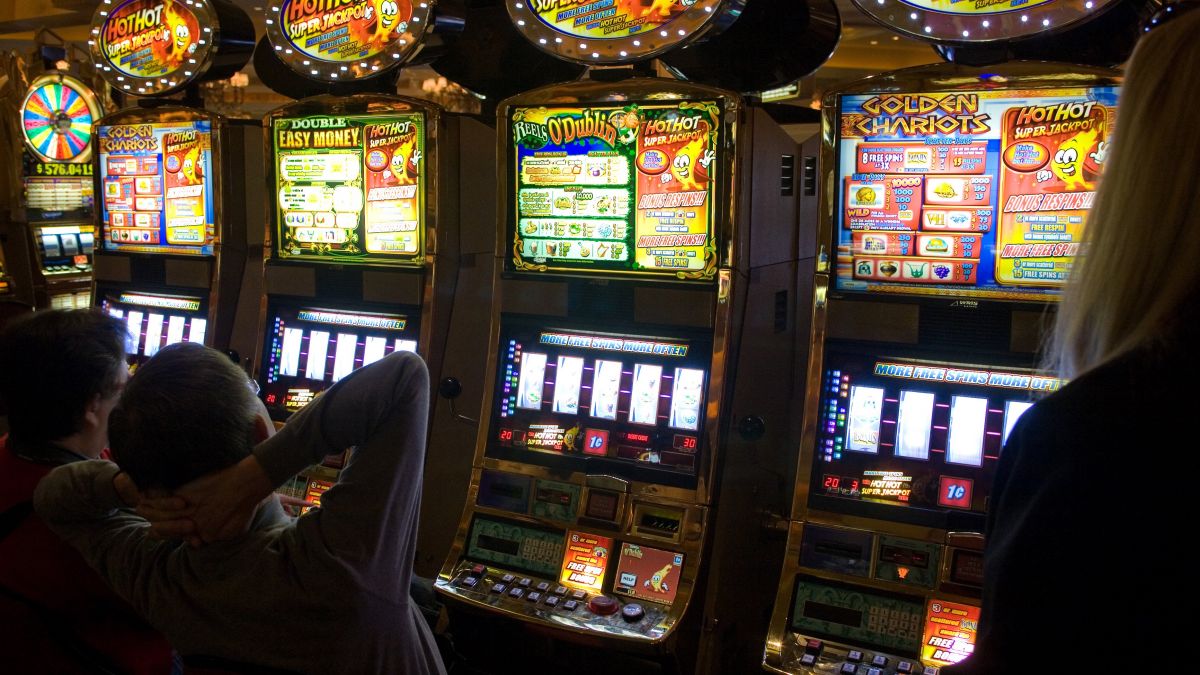
As civilizations evolved, so too did the methods and environments in which gambling took place. By the Middle Ages, gambling houses began to emerge in Europe. In Italy, the term “casino” began to take shape, denoting a place for enjoyment. These establishments often combined leisure and gambling, creating an atmosphere where people could socialize while placing their bets. The influence of the Italian casino model spread across Europe, highlighting a significant shift in how societies viewed gambling, transitioning from a clandestine activity to a more socially accepted pastime.
The 18th century marked a pivotal moment in the evolution of casinos with the establishment of larger, more organized gaming houses. Notably, the Casino di Venezia in Italy claims to be the oldest casino still in operation today, reflecting how the architectural and cultural aspects of gambling have adapted through time. The allure of these venues attracted nobility and commoners alike, leading to the development of a more sophisticated gambling culture that would continue to evolve into the modern era.
The Rise of Modern Casinos
The 19th century heralded significant changes in gambling, particularly with the introduction of structured games and standardized rules. The establishment of the first modern casino, the Casino de Monte-Carlo, in 1863 provided a model for future venues. This casino set a high standard for luxury and service, attracting an elite clientele and fostering a sense of opulence that defined the experience of gambling for decades. The emergence of games such as poker, roulette, and blackjack during this period highlighted the growing complexity of gambling and its appeal.
Moreover, as railways expanded across Europe and North America, the accessibility of these gambling establishments increased. Cities like Las Vegas and Atlantic City began to emerge as major gambling hubs in the early 20th century, drawing in tourists and local patrons alike. The legal framework surrounding casinos also transformed, with states beginning to recognize gambling as a potential source of revenue, leading to a wave of legalization and regulation. This evolution contributed to the establishment of casinos as legitimate businesses rather than mere gambling halls.
The latter half of the 20th century saw the proliferation of casinos across the globe, as more regions sought to capitalize on the economic benefits of gambling. The introduction of sophisticated marketing strategies and themed casinos further revolutionized the industry. Each new venue aimed to create unique experiences, from family-friendly attractions to high-stakes gambling environments, catering to a wide range of audiences and solidifying the casino’s place in popular culture.
Technological Advancements and Online Casinos
The advent of the internet in the late 20th century signaled a new era for the casino industry, giving rise to online gambling platforms. Initially met with skepticism, online casinos quickly gained popularity, offering players the convenience of gambling from their homes. Websites provided an extensive range of games that mimicked the experience of traditional casinos, complete with visual and audio effects that captured the excitement of gambling without physical presence. This digital transformation opened up new markets and demographics, significantly expanding the industry’s reach.
Technological advancements in mobile technology further propelled the growth of online casinos. Players could now access games from smartphones and tablets, leading to the rise of mobile gambling applications. This shift not only enhanced the user experience but also created opportunities for innovative game designs, incorporating interactive features and live dealer options. The success of online casinos demonstrated the industry’s adaptability and resilience in the face of changing consumer preferences.
As regulatory frameworks evolved to accommodate the online landscape, various jurisdictions began to establish guidelines for internet gambling, ensuring player safety and fair play. This development has fostered trust among users, encouraging more individuals to explore online gaming. The seamless integration of technology into the casino experience has thus reshaped the entire industry, combining convenience with the thrill of betting in a way that appeals to both traditional and new players alike.
The Global Impact of Casinos
Casinos have had a profound impact on economies around the world, contributing significantly to job creation and tourism revenue. Destinations like Las Vegas and Macau have become synonymous with gaming, attracting millions of visitors annually. The economic benefits of casinos extend beyond their walls, influencing local businesses, hospitality services, and infrastructure. This symbiotic relationship underscores the importance of casinos in stimulating growth and development in various regions.
Moreover, the cultural implications of casinos are noteworthy. They have become focal points for entertainment, often hosting concerts, shows, and events that draw large crowds. The representation of casinos in film, literature, and other media has further cemented their status as cultural landmarks. This dynamic relationship between casinos and popular culture has played a crucial role in shaping public perception and acceptance of gambling as a mainstream activity.
However, the growth of casinos also brings challenges, including concerns about gambling addiction and regulatory issues. Responsible gaming initiatives have emerged as essential components of casino operations, highlighting the industry’s commitment to player safety. By promoting awareness and implementing measures to prevent problem gambling, casinos aim to balance entertainment with social responsibility, ensuring their longevity and acceptance in society.

Pinco Casino: The Next Step in Online Gaming
As the evolution of casinos continues, platforms like Pinco Casino represent the next frontier in online gaming. Designed specifically for Canadian users, Pinco Casino offers a comprehensive array of betting options, ranging from sports to a diverse selection of casino games. This focus on user experience ensures that players can navigate easily through the website, making their gaming experience seamless and enjoyable.
Pinco Casino’s commitment to customer support is evident through its 24/7 assistance, catering to players’ inquiries and concerns at any time. This dedication to service enhances user confidence, allowing them to focus on enjoying their gaming experience. By combining a vast selection of games with robust support mechanisms, Pinco Casino reflects the evolution of the gambling industry, where player satisfaction and engagement are paramount.
In summary, the intriguing evolution of casinos is marked by a rich history that transcends cultures and eras. From ancient betting practices to modern online platforms, the casino industry continues to adapt and grow. With platforms like Pinco Casino leading the way, the future of gaming promises to be even more innovative and accessible, catering to an ever-expanding audience of enthusiasts around the globe.